Why You Need a Professional Mold Removal Service for Lasting Results
Mold in a home or building is more than an eyesore. It can creep into walls, settle in crawl spaces, and release spores that affect the air you breathe every day. I have seen too many property owners try quick fixes, only to find the mold returning within months. That is where a professional mold removal service becomes essential. It is not just about scrubbing visible spots. It is about understanding moisture, containment, and long-term prevention.
Detroit's older housing stock and humid summers create the perfect conditions for mold growth. Basements flood, roofs leak, and crawl spaces stay damp. Many homeowners reach for bleach or store-bought sprays, but those methods rarely solve the root problem. Mold thrives on moisture, and until you control that moisture, the mold will keep coming back. A serious approach requires training, equipment, and a strategy that goes beyond surface cleaning.
Why DIY Methods Fall Short
It is tempting to grab a bottle of bleach and a sponge. I have done it myself in a pinch. But bleach does not kill mold on porous surfaces like drywall or wood. It may remove the color, but the roots, or hyphae, remain embedded. Within weeks, the mold reappears. DIY testing kits can tell you if mold is present, but they cannot identify the species or the extent of the infestation. They also do not measure airborne spore levels, which is critical for understanding health risks.
Another common mistake is using a standard vacuum cleaner to clean up mold. That just blows spores into the air. Professional remediation requires a HEPA vacuum, which traps particles as small as 0.3 microns. Without that, you are spreading the problem. A mold removal service brings industrial-grade equipment like air scrubbers and HEPA filters to capture spores during and after the work. They also use containment barriers to prevent cross-contamination to other parts of the building.

The Science of Mold Remediation
Real remediation starts with a thorough mold inspection. A certified inspector will look for visible growth, moisture sources, and hidden problems behind walls or under flooring. They may use moisture meters, thermal imaging, and borescopes to find what the naked eye cannot see. Once the scope of the problem is clear, the remediation plan can begin.
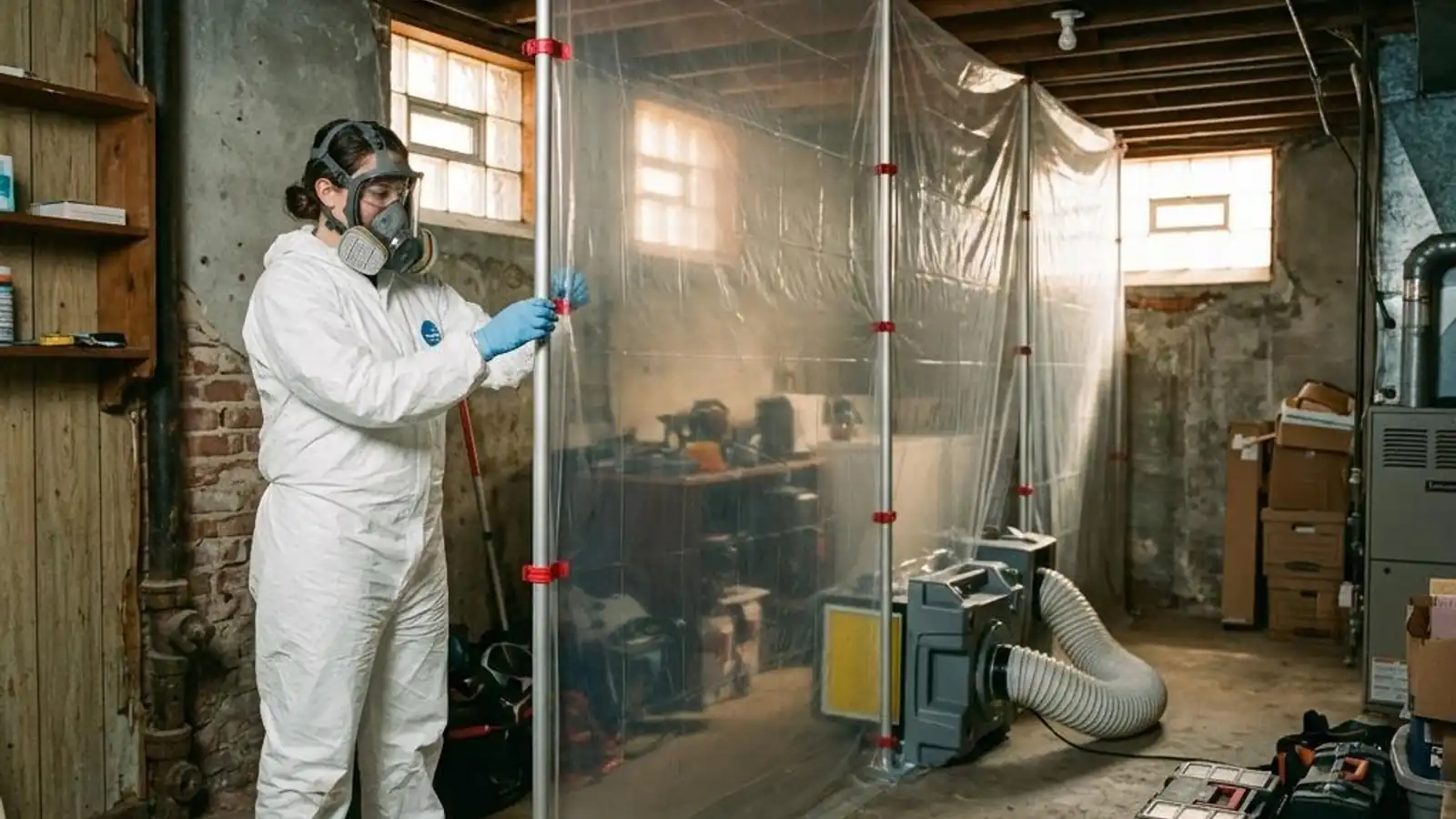
Containment is the first step. The affected area is sealed off with plastic sheeting and negative air pressure is created using an air scrubber with a HEPA filter. This keeps spores from traveling to other rooms. Then comes the actual removal. For porous materials like drywall or carpet, removal and replacement is often the only safe option. For non-porous surfaces, technicians may use dry ice blasting, a technique that uses frozen carbon dioxide pellets to blast mold away without water or chemicals. It is effective and leaves no secondary waste.
After cleaning, the area is treated with antimicrobial agents and then dried thoroughly using structural drying equipment. Finally, a post-remediation verification is performed. This involves air sampling and surface testing to confirm that spore levels are back to normal. The Indoor Air Quality Association and the Restoration Industry Association both recognize this kind of verification as best practice. Without it, you have no proof the mold is truly gone.
Health Risks You Cannot Ignore
Black mold, or Stachybotrys chartarum, gets a lot of attention, but all molds can cause problems. For people with asthma, mold spores are powerful asthma triggers. They can cause coughing, wheezing, and shortness of breath. Children, the elderly, and anyone with a weakened immune system are especially vulnerable. The Detroit Health Department has issued guidelines about indoor mold and respiratory health, urging residents to address water damage quickly and thoroughly.
Beyond asthma, exposure to mold can lead to sinus infections, skin rashes, and fatigue. Some molds produce mycotoxins that can affect the nervous system over time. Volatile organic compounds, or VOCs, are also released by mold, giving that musty smell and contributing to indoor air pollution. A professional mold removal service does not just clean surfaces. It addresses the air quality by using air scrubbers and HEPA vacuums to remove airborne contaminants. This is where the value of certification becomes clear. Technicians with Mold Remediation Certification understand the health implications and follow protocols set by organizations like the EPA and the Indoor Air Quality Association.
Moisture Control Is the Real Solution
Mold cannot grow without moisture. That sounds simple, but finding and fixing moisture sources takes expertise. A leaking pipe behind a wall, a clogged gutter, or poor grading around the foundation can all feed mold growth. Crawl space encapsulation is one solution that is gaining traction in older Detroit homes. It involves sealing the crawl space floor with a heavy-duty vapor barrier, insulating the walls, and sometimes installing a dehumidifier. This stops moisture from rising into the living space and reduces the humidity that mold needs to thrive.

Moisture control also means looking at the building envelope. Cracked windows, missing flashing, and unsealed vents are common entry points for water. A good mold removal service will include a moisture audit as part of the process. They should be able to recommend repairs or refer you to a contractor who can fix the underlying issues. Without that step, you are just treating symptoms.
Equipment That Makes a Difference
The tools used in professional mold remediation are not available at the hardware store. HEPA vacuums, air scrubbers, and commercial dehumidifiers are standard. Some companies also use mold fogging, which involves applying a fine mist of antimicrobial solution that reaches every surface in a room. It is useful for large areas or spaces with complex geometry. Dry ice blasting is another advanced technique that is especially good for historic buildings where you want to avoid damaging the original materials.
Air purifiers like those made by Austin Air are often recommended for ongoing maintenance after remediation. They use medical-grade HEPA filters and activated carbon to remove mold spores and VOCs from the air. While not a substitute for remediation, they can help maintain good indoor air quality after the problem is solved.
When to Call a Professional
If you see mold covering an area larger than about three feet by three feet, the EPA recommends hiring a professional. But even smaller patches can be a sign of a bigger problem. If you smell mold but cannot see it, that is a red flag. Mold can grow inside wall cavities, under flooring, or in HVAC ducts. A mold inspection can locate hidden growth before it spreads further.
Water damage from a flood or leak should be addressed within 24 to 48 hours to prevent mold growth. If that window has passed, you likely need professional help. The same goes for crawl spaces and basements that feel damp all the time. These areas are difficult to dry out completely without the right equipment and expertise.
Choosing the Right Service
Not all companies are equal. Look for one that employs certified technicians, conducts post-remediation verification, and is a member of professional organizations like the Restoration Industry Association or the Indoor Air Quality Association. Ask about their process and whether they include moisture control recommendations. A reputable mold removal service will be transparent about what they do and why.
Pricing varies based on the size of the area, the extent of the infestation, and the type of materials involved. Be wary of companies that give a quote over the phone without inspecting the site. A proper quote requires a visit. Also, avoid companies that promise to "remove all mold forever" without addressing moisture. That is not possible. What is possible is creating conditions that prevent mold from returning.
For Detroit property owners, the combination of climate, older buildings, and economic pressures makes mold a persistent challenge. But with the right approach, it is manageable. A professional mold removal service brings the equipment, training, and experience needed to solve the problem for good. It is an investment in your property and your health.